
Medications such as Ozempic, Wegovy, Mounjaro, and Zepbound have rapidly changed the landscape of medical weight loss. For many individuals, these GLP-1 and dual agonist therapies produce meaningful and sometimes dramatic reductions in body weight. That progress can be encouraging and, in many cases, medically beneficial.
However, there is an important question that often goes unasked: what exactly are you losing?
When the number on the scale drops, it does not differentiate between fat, muscle, water, or even bone mass. Research suggests that a meaningful percentage of weight lost on GLP-1 medications may come from lean mass, including muscle tissue. While some lean mass loss is expected during weight reduction, excessive muscle loss can carry long-term consequences.
Muscle is not simply cosmetic tissue. It plays a central role in metabolic health, insulin sensitivity, strength, balance, and resting metabolic rate. If too much muscle is lost during weight reduction, metabolism can slow, physical resilience can decline, and the likelihood of weight regain after discontinuing medication may increase.
The Problem: Most People Are Flying Blind
In most clinical settings, patients starting GLP-1 therapy are advised to monitor body weight, appetite, and occasionally laboratory markers. What is rarely measured is body composition.
Without a baseline assessment, there is no objective way to determine whether weight loss is coming primarily from fat — which is typically the goal — or whether valuable muscle tissue is being sacrificed along the way.
This is not a criticism of the medication itself – it is a gap in the process.
Why a DEXA Baseline Matters
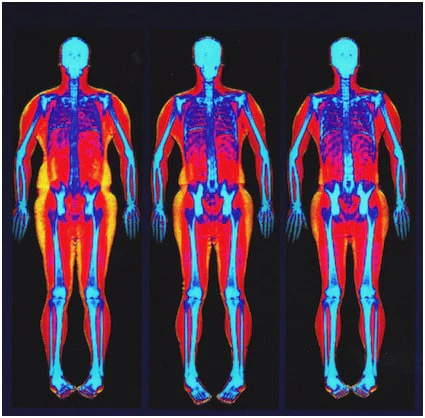
A DEXA body composition scan provides precise measurement of total body fat, lean mass, visceral fat, and regional muscle distribution. Establishing this baseline before beginning therapy gives both patients and clinicians a clear starting point.
With objective data, progress can be tracked intelligently. Adjustments can be made to protein intake, resistance training, and overall strategy to help preserve muscle while reducing fat. Rather than guessing, decisions can be based on measurable evidence.
If you are investing in a medication designed to alter metabolism, it makes sense to measure what is happening inside your body.
Smart Weight Loss Protects Muscle
GLP-1 medications can be powerful and appropriate tools when used thoughtfully. The most effective and sustainable outcomes occur when pharmacologic therapy is paired with resistance training, adequate protein intake, and objective body composition tracking.
The goal should not be to simply weigh less.
The goal should be to reduce excess fat while protecting strength, metabolic health, and long-term resilience. Measuring before you begin ensures that progress is not only visible on the scale, but meaningful and safer beneath the surface.